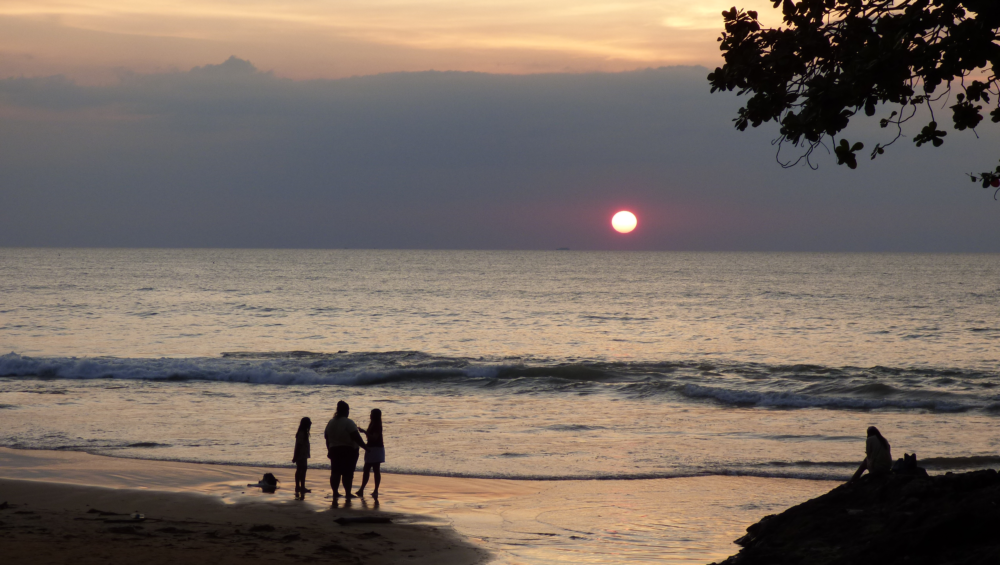
A family enjoying the sunset at Nang Thong beach Khao lak, Thailand

When Is the Best Time to Visit Thailand?
When Is the Best Time to Visit Thailand?

A Month-by-Month Guide to Weather, Festivals & Travel Experiences.

 Thailand’s character changes with the seasons, one month you could be snorkelling in crystal clear waters, the next you could be trekking through a dripping green jungle as the rain starts to fall from dramatic skies. There is no bad time to visit Thailand, but your experience will be very  different depending on when you decide to travel.

This guide explains what to expect through the seasons, weather patterns, festivals and holidays so you can decide the best time to plan your adventure. Whether it’s snorkelling on colourful reefs of the Phi Phi Islands, wildlife spotting in the jungles of Khao Sok, celebrating Songkran in Chiang Mai or just sipping a cocktail on the beaches of Khao Lak, we go you covered.

Thailand’s Climate in Simple Terms

Thailand enjoys a tropical climate; this means warm temperatures all year round. What changes is how hot it gets, how much rain falls and the levels of humidity, all of which make a big difference to what you can and can’t do. The Similan islands close between May and October for example, so if you were planning a snorkelling or diving trip during these months you would need to find different dive sites, the Gulf of Thailand being a great alternative.

Thailand’s three main seasons

Cool Dry Season (November-February)

This is Thailand’s high season when calm seas, low humidity, clear blue skies and average temperatures of 23- 30°C make it the most popular time for travellers.

Hot Season (March- April)

Thailand’s hot season is exactly that, hot, sunny and sometimes uncomfortably humid. With average temperatures of 28-38°, many travellers still choose this time of year to come for the perfect beach weather and to experience some of the local, and national festivals celebrated at this time

Rainy/ green season (May-October)

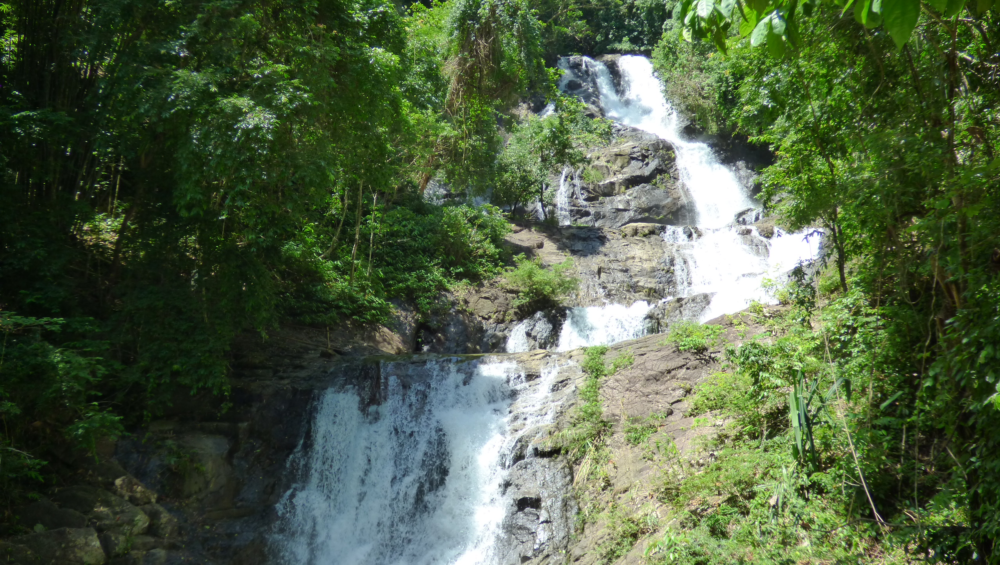
This is the season when Thailand’s green landscape bursts in to life, waterfalls are at their most majestic and prices for flights and accommodation are at their lowest. Average temperatures are between 24-32°C, often sunny but with regular short, heavy rain showers that can sometimes last a few days

Best Time for Different Trips

If your dream holiday is long golden beaches, crystal clear water, island hopping tours and snorkeling adventures then November to April is unbeatable. Temperatures are warm but comfortable, the seas are calm and conditions are perfect for exploring. The only downside is that this is the most popular time to visit so beaches and attractions can feel a little busier, rooms and tours often sell out so booking early is essential if you want to avoid disappointment.

For hiking, temple visits and cultural experiences, the rainy season can be brilliant. Yes, you’ll get wet sometimes, but you’ll also get the place almost to yourself, and much cheaper flights and hotel rooms. Most bars, hotels and restaurants are still open, tours are still running, and the Thai people remain as warm and welcoming as always. Rain doesn’t stop play in Thailand, it’s just the game that changes a little.

Festivals and Events by Month
January 

(1st) New Year’s Day (Public Holiday)

(10th) Children’s Day 

(17th) Teacher’s Appreciation Day

(16-18 tbc) Bo Sang Umbrella Festival in Chiang Mai 

February

(6-8 tbc) Chiang Mai Flower Festival

(17th) Chinese New Year (Public holiday)

(Mid Feb tbc) Trang Underwater Wedding

March

(13th) National Elephant Day 

(17th) National Muay Thai Day 

(1st–10th) Sea Turtle Festival in Phang Nga 

April

(late Mar/early Apr) Poy Sang Long 

(6th) Chakri Memorial Day (Public holiday)

(13–15) Songkran (Public Holiday)

May

(1st) Labour Day (Public Holiday)

(4th) Coronation Day (Public Holiday)

(date tbc) Visakha Bucha (Public Holiday)

((16-18) Rocket Festival in Isaan (Bun Bang Fai ).

June

(3rd) HM Queen Suthida’s Birthday (Public Holiday)

(28-30th) Phi Ta Khon Ghost Festival in Loei 

July

(10th)Asahna Bucha (Public Holiday)

(9-11th)Ubon Candle Festival 

(28th) HM King Vajiralongkorn’s Birthday (Public Holiday).

August

(12th) HM Queen mother Sirikit’s Birthday & Mother’s Day (Public Holiday)

 Por Tor (Hungry Ghost) Festival in Phuket (date tbc).

October

(13th) King Bhumibol Memorial Day (Public Holiday)

(21-29th)Phuket Vegetarian Festival 

(23rd) Chulalongkorn Day (Public Holiday).

November

Pattaya Fireworks Festival (tbc)

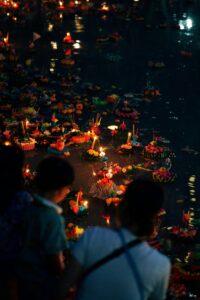
(5th) Loy Krathong

(4-6th tbc)Yi Peng Lantern Festival in Chiang Mai 

December

(5th)HM King Bumibhol Adulyadej the Great’s Birthday, National Thailand Day and Fathers Day (Public Holiday)

(10th) Constitution Day (Public Holiday)

(25th) Christmas Day

(31st) New Year’s Eve 

This is just a small snapshot of what Thailand has to offer. Whether you are planing a solo trip, an adventure with friends, a romantic getaway or a dream family holiday, Tokay Tours is here to Make it effortless. Have a browse through our tour page, secure your dates and let us take care of the rest, your adventure with us starts the moment you book.
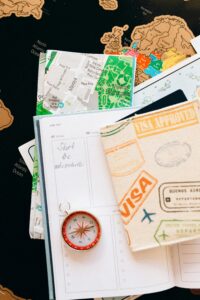
Essential Travel Guide to Thailand: Visas, TDAC, Insurance & More

Please note! this is a guide and not definitive travel advice, please make sure you do your own checks and decide what is best for you and your family before travel.

Travel Guide to Thailand: Visas, TDAC, Insurance, Money & More.

Thailand remains one of the world’s favourite destinations, but before you pack your bags to enjoy it’s beaches, jungles and temples, you’ll need to meet the latest entry requirements. The good news is, for most nationalities it is refreshingly straight forward.
In 2025, the rules have evolved with new visa options and the introduction of a digital arrival system (TDAC). Here’s a clear guide to help you prepare for your trip.

Do You Need a Visa to Visit Thailand

Every foreign visitor needs either a visa or an entry permit to cross the border. The right option depends on your nationality, purpose of travel, and length of stay.

  • Visa Exemption Scheme: Citizens of 90+ countries (including the UK, EU, US, and Australia) can currently enter visa-free for up to 60 days, with the option to extend by 30 days at a Thai immigration office. The government has announced plans to reduce this to 30 days later in 2025, so check before traveling.

  • Visa on Arrival (VOA): If your nationality isn’t covered by the exemption scheme, you may qualify for a 15-day visa on arrival at airports and land borders. You’ll need cash in Thai baht, a return ticket, and a valid passport.

  • Tourist Visas: For longer visits, apply for a Single-Entry Tourist Visa (60 days, extendable once) or a Multiple-Entry Tourist Visa (valid six months, each stay capped at 60 days).

Long-Term Visa Options

If you plan to stay longer or return frequently, Thailand offers special long-term visas:

  • Destination Thailand Visa (DTV) – Designed for digital nomads, freelancers, and cultural participants. Valid for 5 years, allowing stays of 180 days per entry, extendable once. This makes it possible to remain in Thailand for almost a year before leaving and re-entering.

  • Thailand Privilege Visa – Formerly the Elite Visa, this is a premium, long-term residency option. Available in 5–20 year packages, it includes multiple entry, one-year stays per visit, and perks like fast-track immigration, airport lounges, and discounts on leisure services.

Thailand Digital Arrival Card (TDAC)

As of May 1, 2025, the old paper TM6 form is gone. All visitors must now complete the Thailand Digital Arrival Card (TDAC) online before entering the country, whether arriving by air, land, or sea.

You’ll need to submit details such as your passport number, flight information, and accommodation address up to three days before arrival. Without it, you risk long delays at immigration, or even being refused entry. Keep a screenshot or printout of your confirmation to show at the border.

Money Matters in Thailand

Thailand is still largely a cash-based society, but things are changing fast, especially in places like Khao Lak, where even local markets are starting to accept digital payments through QR codes, card readers, and mobile tap-to-pay. That said, cash remains essential for street food, small shops, souvenirs and tips.
ATMs are easy to find everywhere, though most charge a flat fee of THB 220 per withdrawal (around £5 or $7), so it’s worth bringing a debit or credit card that doesn’t pile on its own international charges.
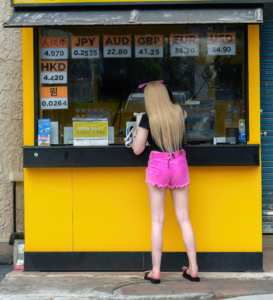
For the best exchange rates, skip the airport and hotel counters and change your money at one of the many kiosks in Khao Lak itself, which usually offer the going market rate. You will also find these kiosks in many other destinations like Bangkok, Chiang Mai, Phuket, Koh Samui and Krabi.

In terms of budgeting, Thailand caters to all wallets: a street meal can be as little as THB 50–100 (£1–£2), while a sit-down meal in a local restaurant often falls between THB 150–300 (£3–£7). Larger hotels and tourist-oriented restaurants will happily take cards, but for everything else, it’s best to carry a mix of cash and a card that works well abroad.

Why More Women Over 50 Are Choosing to Travel Solo Than Ever Before

There’s a moment every traveler knows: the rush of stepping out into warm air scented with salt and spice, the hum of scooters in the distance, the feeling of I’ve arrived. For more and more women over 50, that moment is no longer something to dream about but something they’re creating for themselves, alone, and on their own terms.

The New Face of Adventure

Solo travel is no longer the domain of twenty-something backpackers. In fact, women now shape over 80% of global travel decisions, and the fastest growing group in that wave? Women over 50, booking solo trips with an energy that says: I am ready for this.

And it’s not just talk. Surveys show that 45% of women today are planning solo journeys, a sharp rise in just the last year. The numbers are clear, but the truth runs deeper: freedom, self-care, and a hunger for personal growth are driving this surge. Not because life has slowed down, but because it’s speeding up in all the right ways.

Why Now?

For many, solo travel isn’t about escape. It’s about immersion. About waking up in a new place where nobody knows your name, ordering breakfast from a menu you can’t quite read, tasting something unfamiliar and realizing you love it. It’s about trading routine for spontaneity, expectation for discovery.

There’s a confidence that comes at this stage of life. You’ve learned what matters. You know when to say yes, and when to say no. Solo travel amplifies that voice, and every woman who sets out alone comes back not smaller, not “brave for her age,” but larger, expanded, filled with stories that shimmer.

Why Thailand Welcomes You

Thailand, with its warm seas, untamed jungles, and lantern-lit nights, has become one of the world’s top destinations for solo female travelers. More than a million women visited here alone last year, drawn by a mix of safety, hospitality, and the sheer beauty of its landscapes.

And whether you’re snorkeling in the crystal waters of a hidden lagoon, hiking through jungles wildlife spotting, or just wandering through a night market sampling the street cuisine,there’s a sense of belonging that settles in. Thailand doesn’t just host you, it embraces you.A girls sits on a swing, turquoise water and limestone karsts in the background

The Tokay Tours Experience

some people prefer a private guide who knows the quietest trails and the best street food stalls, others prefer to join a small group excursion where you can share laughter over mango sticky rice, and still slip away for your own sunset walk. We take care of the details so you can lean into the magic whether that’s kayaking through mangroves at dawn, snorkeling above coral gardens, or simply sitting back as the Andaman tide whispers against the shore.

It’s about freedom with a safety net, solitude with connection, and experiences that remind you why you came.

The Invitation

If you’ve been waiting for a sign, this is it. Pack the bag. Buy the ticket. Step into a story that’s waiting to be written, not someday but now.

Because the truth is, the world isn’t just out there waiting for you. It’s calling you by name. And with Tokay Tours, answering that call is easier, richer, and more unforgettable than you ever imagined.

Why Khao Lak Remains Thailand’s Most Underrated Destination

Why Khao Lak Remains Thailand’s Most Underrated Destination

When most people think of Thailand’s south, they usually picture Phuket’s wild nightlife, Krabi’s limestone cliffs, or the crystal clear waters of Phi Phi and the Similan islands. Yet just over an hour’s drive North of Phuket International Airport lies Khao Lak, a destination that has quietly held its ground as one of Thailand’s most rewarding places to visit.

Khao Lak is no “hidden gem”. Long before the 2004 tsunami, it was already a world-class retreat known for it’s endless golden beaches, lush green jungle backdrops, and a gateway to unforgettable tours and day trips,  from snorkeling and temple visits to waterfall hikes and National Park adventures. Since then, it has rebuilt with determination and pace, emerging stronger while retaining the calm, family-friendly character that makes it so unique. Today, Khao Lak offers that rare combination: modern comfort, natural beauty and a vibrant scene all with a gentler rhythm than it’s better-known neighbours.

A Destination Reborn

The story of Today’s Khao lak is one of resilience. After being devastated by a powerful tsunami in 2004, the community rebuilt with remarkable speed and care. Local businesses, bars, restaurants, hotels and tour operators returned not just to restore Khao Lak, but to improve it. Visitors will find a place that is vibrant, welcoming and deeply aware of it’s history, a history that has shaped the warmth and humility of it’s people.

Beaches That Stretch for Miles

Khao Lak’s coastline is it’s signature. Long, sweeping beaches like Nang Thong, Bang Niang, Bang Sak and White Sands Beach provide soft golden sands, and views that stretch endlessly to the horizon. Yes, many resorts now line parts of the coast, but unlike busier regions they never feel overcrowded. Whether you are sipping a drink at a beachfront bar, playing in the calm waters with the children or taking a romantic walk at sunset in near solitude, Khao Lak’s beaches are beautiful, tranquil and easily accessible.

Nature and Adventure on the Doorstep.

Khao Lak is Also the gateway to some of Thailand’s most extraordinary natural landscapes.  Snorkeling and diving tours are organised from here, with boats leaving from local piers to destinations like The Similans, Phi Phi and Khai Islands. Local National parks like Lamru and Lampi offer visitors the chance to explore pristine rainforest, encounter diverse wildlife and discover stunning waterfalls while places like khao Sok (just a couple of hours North), provide even more dramatic landscapes with towering limestone cliffs, emerald lakes, and ancient jungle trails.
This proximity to nature means visitors can combine comfort, convenience and adventure, all within easy reach.

Culture and Daily Life

Beyond the beaches and forests, Khao lak still retains a sense of everyday Thai Life. Morning markets bustle with spices, tropical fruits, and seafood stalls selling the morning’s catch. Temples nestle between coconut and rubber plantations and small, family-run restaurants and street food vendors serve dishes that carry generations of tradition. While development has brought big international resorts, the heartbeat of local culture remains strong, accessible and welcoming.

Who Khao Lak Is For

If you are chasing neon lights, all night parties and flashy nightclubs then Khao Lak is not really going to appeal to you. It’s nightlife is relaxed, low key and centered around family-friendly beach bars, live music venues and casual drinking and dining establishments rather than crowded clubs and raucous entertainment.
Khao Lak is ideal for travelers seeking balance and variety. Families will appreciate the safe beaches, spacious resorts, and easy access to nature and attractions. Couples can enjoy romantic sunsets, quiet walks along the shore and intimate dining experiences. Adventure seekers and nature lovers will find a playground of jungles, waterfalls and nearby islands to explore, with activities such as white water rafting (bamboo rafting if you prefer a slower pace), quad bikes and ziplining that are guaranteed to set the pulses racing. Even solo travelers, or groups looking for a more relaxed experience will find plenty to enjoy without the crowds and chaos of busier destinations.

Why It Deserves More Recognition

Khao Lak is no secret, but it is still very underrated. In a country where some destinations feel overwhelmed by tourism, Khao Lak offers breathing space. It is popular but not overcrowded, modern without losing it’s authenticity and welcoming to people from all over the world.
At Tokay Tours, we’re proud to partner with a team of local experts who know this region better than anyone. Together, we help visitors go beyond the resorts and out to the hidden trails, quiet coves and cultural encounters that make Khao Lak so much more than just another Thai beach town.

Is it Safe to Go to Thailand?

Thailand is one of the world’s favourite travel destinations, drawing millions of visitors every year with its golden beaches, lively cities and deep cultural traditions. For most travellers it is a safe and welcoming country where things run smoothly as long as you use a bit of common sense.
Pickpocketing and tourist scams can happen in busy places such as Bangkok, Phuket and Pattaya, but if you stay alert and pay attention they are easy to avoid. The bigger concern for many travellers is road safety. If you decide to hire a scooter or a car, always wear a helmet, drive cautiously and check that your travel insurance covers accidents.
Respecting local laws and customs is another way to keep your trip stress free. Be aware of rules around drugs, smoking, vaping, and remember the importance of showing respect for the monarchy, religion and local people. A smile and a polite attitude will get you much further than raising your voice or showing frustration.
With a little preparation, some travel sense and an open heart, you will find Thailand every bit as safe, welcoming and unforgettable as you imagined

.

Two girls strolling by a line of parked tuk tuks, laughing and having fun

Petty Crime

The most common issues travellers encounter are relatively minor, but they can spoil your experience if you are not prepared. Pickpocketing tends to happen in crowded nightspots where alcohol is involved and people are less alert, rather than in resorts or smaller towns. If you plan to enjoy Thailand’s nightlife, simply keep an eye on your belongings, drink responsibly and you should be fine. In more relaxed destinations such as Khao Lak, Krabi, Chiang Mai or Ayutthaya, incidents are far less frequent and in many cases non existent.
Overcharging on motorbike or jet ski rentals is another complaint visitors sometimes share. It is not unusual for companies to claim damage that was already there. The best way to protect yourself is to rent from a reputable company, take clear photos of the vehicle before you set off and never hand over your passport or driving licence. A photocopy is more than adequate.

For more information, see Common Scams in Thailand from Siam-Legal.com

A girls sits on a swing, turquoise water and limestone karsts in the background

Thai-Cambodia  Border Situation

The places where tensions occur are remote rural districts in the northeast. They are hundreds of kilometres away from the beaches, islands and cultural sites that make up the usual travel route. It would take a very deliberate effort to go anywhere near them. For the average visitor, there is no reason to even pass close. That is why airlines, hotels and tour operators continue to welcome guests without disruption, but it is always worth checking the latest updates and travel advice from government sources.

General Safety in Thailand

The roads in Thailand are busy and accidents are unfortunately common. If you decide to hire a scooter or a car, always wear a helmet, drive cautiously and never underestimate local traffic. Make sure your travel insurance covers driving and medical care in case of an accident. Public transport, tuk tuks  and taxis are good alternatives if you are unsure about driving yourself . Public transport is widely used and feels secure, especially in cities and tourist areas. Healthcare standards are high in major centres, which is reassuring if you are travelling with family.
The Thai sun is strong and burns can happen quickly, even on cloudy days. Always use sunscreen and reapply it regularly, especially after swimming. If you are planning to snorkel or dive, choose reef safe sunscreen to help protect the marine environment. A hat and lightweight clothing also go a long way to keeping you comfortable.
Mosquitoes are part of life in tropical countries and Thailand is no exception. In most tourist areas the risk of serious mosquito borne illness is low, but bites can still be irritating. Bring a good repellent, especially if you are visiting rural or forested areas, and consider long sleeves in the evening. Hotels and guesthouses usually provide mosquito nets or screened rooms.
Thailand is home to monkeys, snakes, lizards and a variety of insects. Most encounters are harmless but it pays to keep a respectful distance. Do not feed wild animals and avoid leaving food unattended on balconies or beaches. If you are hiking or visiting national parks, stick to marked trails and listen to local guides.

A Practical Approach

Thailand has built it’s reputation on hospitality, has excellent healthcare in major cities and tourist areas, which is one reason the country is popular for medical tourism. Even so, it is better not to need it. Stay hydrated, eat from busy food stalls and restaurants where the food is freshly prepared, and pace yourself if you are not used to the heat.
Like any trip abroad you are responsible for your own health and safety. Take care on the roads, respect local customs, protect yourself from the sun and mosquitoes, and give wildlife space. Do that and you will find the country every bit as warm, beautiful and memorable as you hoped.