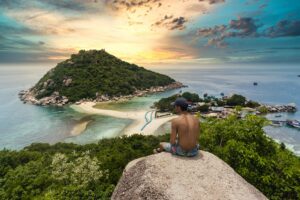
Thailand is one of the world’s favourite travel destinations, drawing millions of visitors every year with its golden beaches, lively cities and deep cultural traditions. For most travellers it is a safe and welcoming country where things run smoothly as long as you use a bit of common sense.
Pickpocketing and tourist scams can happen in busy places such as Bangkok, Phuket and Pattaya, but if you stay alert and pay attention they are easy to avoid. The bigger concern for many travellers is road safety. If you decide to hire a scooter or a car, always wear a helmet, drive cautiously and check that your travel insurance covers accidents.
Respecting local laws and customs is another way to keep your trip stress free. Be aware of rules around drugs, smoking, vaping, and remember the importance of showing respect for the monarchy, religion and local people. A smile and a polite attitude will get you much further than raising your voice or showing frustration.
With a little preparation, some travel sense and an open heart, you will find Thailand every bit as safe, welcoming and unforgettable as you imagined
.
Petty Crime
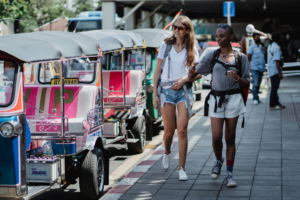
The most common issues travellers encounter are relatively minor, but they can spoil your experience if you are not prepared. Pickpocketing tends to happen in crowded nightspots where alcohol is involved and people are less alert, rather than in resorts or smaller towns. If you plan to enjoy Thailand’s nightlife, simply keep an eye on your belongings, drink responsibly and you should be fine. In more relaxed destinations such as Khao Lak, Krabi, Chiang Mai or Ayutthaya, incidents are far less frequent and in many cases non existent.
Overcharging on motorbike or jet ski rentals is another complaint visitors sometimes share. It is not unusual for companies to claim damage that was already there. The best way to protect yourself is to rent from a reputable company, take clear photos of the vehicle before you set off and never hand over your passport or driving licence. A photocopy is more than adequate.
For more information, see Common Scams in Thailand from Siam-Legal.com
Thai-Cambodia Border Situation
The places where tensions occur are remote rural districts in the northeast. They are hundreds of kilometres away from the beaches, islands and cultural sites that make up the usual travel route. It would take a very deliberate effort to go anywhere near them. For the average visitor, there is no reason to even pass close. That is why airlines, hotels and tour operators continue to welcome guests without disruption, but it is always worth checking the latest updates and travel advice from government sources.
General Safety in Thailand
The roads in Thailand are busy and accidents are unfortunately common. If you decide to hire a scooter or a car, always wear a helmet, drive cautiously and never underestimate local traffic. Make sure your travel insurance covers driving and medical care in case of an accident. Public transport, tuk tuks and taxis are good alternatives if you are unsure about driving yourself . Public transport is widely used and feels secure, especially in cities and tourist areas. Healthcare standards are high in major centres, which is reassuring if you are travelling with family.
The Thai sun is strong and burns can happen quickly, even on cloudy days. Always use sunscreen and reapply it regularly, especially after swimming. If you are planning to snorkel or dive, choose reef safe sunscreen to help protect the marine environment. A hat and lightweight clothing also go a long way to keeping you comfortable.
Mosquitoes are part of life in tropical countries and Thailand is no exception. In most tourist areas the risk of serious mosquito borne illness is low, but bites can still be irritating. Bring a good repellent, especially if you are visiting rural or forested areas, and consider long sleeves in the evening. Hotels and guesthouses usually provide mosquito nets or screened rooms.
Thailand is home to monkeys, snakes, lizards and a variety of insects. Most encounters are harmless but it pays to keep a respectful distance. Do not feed wild animals and avoid leaving food unattended on balconies or beaches. If you are hiking or visiting national parks, stick to marked trails and listen to local guides.
A Practical Approach
Thailand has built it’s reputation on hospitality, has excellent healthcare in major cities and tourist areas, which is one reason the country is popular for medical tourism. Even so, it is better not to need it. Stay hydrated, eat from busy food stalls and restaurants where the food is freshly prepared, and pace yourself if you are not used to the heat.
Like any trip abroad you are responsible for your own health and safety. Take care on the roads, respect local customs, protect yourself from the sun and mosquitoes, and give wildlife space. Do that and you will find the country every bit as warm, beautiful and memorable as you hoped.